11 Foods Most Likely to Give You Food Poisoning
by Admin
Posted on 08-02-2025 01:56 PM
Sampling skills
mycotoxin contamination of foods and feeds is usually heterogeneous. Therefore, precautions must be taken in sampling to obtain a reliable quantitative
estimate of the concentration of a mycotoxin in a given lot. (wood, 1992)
samples must be representative of entire lot
obtain samples from multiple locations
use of a grain or forage sampling probe is recommended
obtain samples from a moving grain stream
take samples at various unloading sites
10 pounds minimum
*note: not all molds (or fungi) are toxic. Part of the deleterious impact
of mycotoxins on ruminants may be caused by the indirect effect of reduced
nutrition from the infected grains or forages.
 (adapted from dr. Thompson's
lecture).
(adapted from dr. Thompson's
lecture).
As consumers, we might have encountered mouldy peanuts and apples in the past. Chances are that those foods might also be contaminated with toxins produced by the moulds. Natural fungal toxins in food have been affecting human for a long time. Human poisoning resulting from mycotoxin contamination has been recorded since the middle ages. However, the modern study had only developed in the 1960s, after 100 000 young turkeys were killed in england due to peanut meal contaminated by fungal toxins. Later in 1967, 26 people in taiwan were affected by suspected food poisoning and three children died. It was found that the rice from the households that contained high level of aflatoxin had caused the acute poisoning.
Your Guide to Understanding Food Poisoning
Mycotoxins, the toxic substances produced by certain fungi, pose a significant threat to human health. These compounds, notorious for their harmful effects, can contaminate food, feed, and the environment, leading to a host of symptoms and complications. This in-depth guide aims to shed light on mycotoxins, their symptoms, treatment options, and their profound impact on human health, emphasizing the urgency of understanding and managing this health risk.
Risks for animal health related to the presence of ergot alkaloids in feed
2024 october considering new information available since the 2014 scientific opinion opinions include risk assessments on general scientific issues, evaluations of an application for the authorisation of a product, substance or claim, or an evaluation of a risk assessment on the health risks of beauvericin and enniatins in food, efsa reassesses the genotoxicity of beauvericin. Experts conclude that the current data indicate it lacks genotoxic potential. Beauvericin is a mycotoxin produced mainly by fusarium fungi and is found predominantly in cereal grains and their products. January efsa assesses the risks to animal health related to the ingestion of ergot alkaloids in feed.
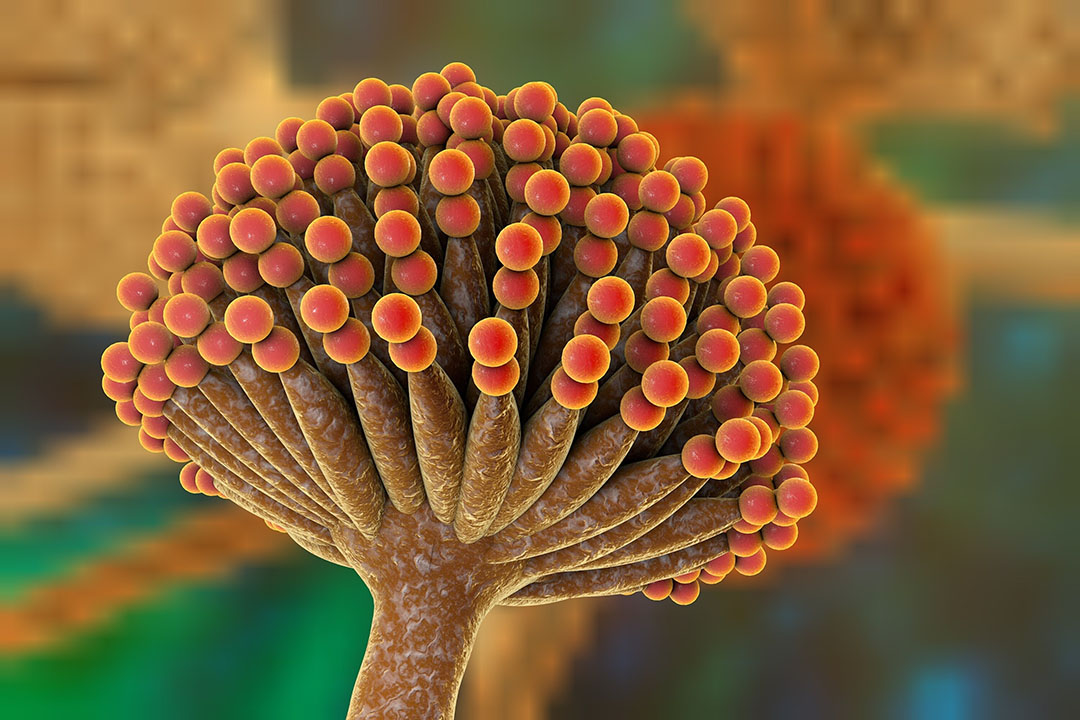
Mycotoxins are low molecular mass (mw ~700 da) secondary metabolites of filamentous fungi which are harmful to human and animal health [ 1 ]. More than 400 different mycotoxins with various chemical structures and properties produced by a wide variety of fungal species, have been identified [ 2 ]. The main genera of mycotoxigenic fungi are: aspergillus, fusarium, penicillium, alternaria, claviceps, and stachybotrys [ 3 ]. Among the mycotoxins, aflatoxins (afs), ochratoxin a (ota), zearalenone (zea), patulin (pat), fumonisins (fums), and trichothecenes (tcs) like deoxynivalenol (don) and t-2 toxin (t-2) are the most concerning [ 4 , 5 ].